Business Name: BeeHive Homes of Henderson
Address: 1000 Greenway Rd, Henderson, NV 89002
Phone: (702) 551-0265
BeeHive Homes of Henderson
At BeeHive Homes of Henderson, Nevada, we offer the finest assisted living and memory care experience available in a cozy, comfortable homelike setting. Each of our residents has their own spacious room with an ADA approved bathroom and shower. We prepare and serve delicious home-cooked meals three times a day every day. We maintain a small, friendly community of only 20 residents per home. We provide regular activities that our residents find fun and contribute to their health and well-being. Our staff is attentive and caring and provides assistance with daily activities to our residents in a loving and respectful manner. We would like to invite you to tour and experience our memory care & assisted living home and feel the difference.
1000 Greenway Rd, Henderson, NV 89002
Business Hours
Monday thru Sunday: 8:00am to 7:00pm
Instagram: https://www.instagram.com/beehivehomeshenderson/
Facebook: https://www.facebook.com/BeeHiveHomesofHenderson
Families seldom ask this concern early. It generally surface areas after a scare: a wandering incident, a late night call from the assisted living nurse, a fall that "could have been worse." By the time someone says out loud, "Do we require memory care?", the circumstance has currently been weighing on them for months.
I have actually sat at kitchen area tables with daughters who seem like they are betraying their mothers, with spouses who have actually promised "I'll never ever move you to a facility," and with boys who are attempting to manage senior care from a different state. The common thread is uncertainty. Nobody wishes to move prematurely, yet moving too late can imply injury, trauma, or a hurried choice after a crisis.
Understanding where assisted living ends and memory care begins, and what practical signs recommend it is time to transition, can turn a vague fear into a plan grounded in safety, dignity, and reasonable expectations.
How Assisted Living and Memory Care Really Differ
On paper, the levels of care can look comparable. Both serve older adults who can not live separately but do not need the complete intensity of a nursing home. In practice, they operate with very different assumptions.
Assisted living is constructed around people who are primarily oriented, who can follow directions with tips, and who have relatively stable thinking. Staff may cue homeowners to take medications, help with dressing, and offer meals and house cleaning. Activities are often social and optional. Door security differs, and citizens can generally come and go with minimal oversight.
Memory care is developed for individuals dealing with moderate to innovative dementia or considerable cognitive disability. The environment, staffing patterns, shows, and precaution focus around predictable obstacles: roaming, agitation, sundowning, difficulty utilizing words, bad judgment about security, and difficulty acknowledging requirements such as appetite, thirst, or toileting.
Common differences you will often see in a well run memory care community:
Residents reside in a more contained, protected space so someone who attempts to "go home" at 2 a.m. Can not go out the front door. Staff-to-resident ratios are normally higher, especially throughout evenings and nights when confusion and habits modifications peak. Activities are shorter, simpler, and more repeated, which matches attention spans and can minimize frustration. The physical space is quieter, with clearer signs, fewer visual interruptions, and design that encourages strolling in loops rather of dead ends. Staff training focuses on dementia communication techniques, recognition, and behavioral techniques rather than simply job completion.
Families in some cases assume memory care is "more institutional" than assisted living. The truth depends greatly on the neighborhood. I have walked into memory care areas that felt warm, active, and homey, with staff singing while assisting citizens into pajamas. I have actually also seen assisted living settings attempting to handle clear dementia requires as an "add on service," with scared staff and locals who are separated in their spaces due to the fact that common areas feel overstimulating or unsafe.
Recognizing that these environments are constructed for different cognitive profiles helps you judge when the present setting no longer matches your loved one's needs.
Normal Aging, Mild Cognitive Change, and Dementia
Part of the hesitation around memory care comes from not wishing to overreact to regular aging. Everybody forgets names or misplaces secrets. Many older grownups take a bit longer to discover brand-new tasks. That alone does not justify moving out of assisted living.
The shift toward dementia is less about isolated memory slips and more about patterns that disrupt everyday life. In my work, I listen for stories that reveal a change in how someone functions compared to their own previous baseline.
A resident who periodically forgets the day of the week but uses a calendar to orient normally handles fine in assisted living. A resident who can not remember they have actually moved, who consistently loads to "go home," or who ends up being distressed by personnel they no longer acknowledge is dealing with a various level of cognitive impairment.
Families often explain it as "not just forgetting, but losing the thread." Conversations circle. Directions do not stick even with reminders. Previously basic choices overwhelm them. These modifications, specifically when they begin to affect safety or participation in assisted living life, suggest it is time to begin watching more closely.
Safety Red Flags That Assisted Living May Not Be Enough
Safety is generally the clearest dividing line between staying in assisted living and relocating to memory care. Staff in assisted living are not equipped, either legally or almost, to monitor someone at all times. They also have limitations on how much they can intervene when a resident makes a hazardous decision.
Several scenarios turn up consistently in care conferences.
A resident starts leaving their apartment or condo at night, confused about the time, and is discovered on another flooring or outside the structure. Doors might lock, however residents tailgate behind personnel or visitors. A pattern of wandering, particularly if the individual can not reliably state where they live or how to return, is a strong argument for a protected memory care setting.
Kitchen incidents create another turning point. Smoke alarms activated by forgotten food on the stove, melted plastic in the oven, or efforts to "cook" utilizing unsafe devices in the room all recommend judgment is slipping. Assisted living staff can get rid of appliances and add reminders, but if somebody does not remember they must not cook, guidance gaps remain.
Falls, in themselves, are not unusual in elderly care. The issue grows when falls seem linked to confusion: standing rapidly due to the fact that they believe somebody is at the door, tripping over clutter they refuse to let personnel move, or wandering in the evening without turning on lights. If the cause is cognitive rather elder care than simply physical, memory care may offer the structure needed to reduce repeated injury.
Medication errors are another repeating problem. Assisted living can manage cueing and even hands-on administration in lots of states, but if a resident hides pills, double doses, or becomes suspicious and declines medications, the risk of hospitalization rises. Memory care teams are more familiar with managing these behaviors through regular, relationship building, and partnership with prescribers.
In short, when "we can most likely avoid this with more pointers" turns into "we are concerned something serious will occur when no one is right there," it is time to think more seriously about memory focused senior care.
Behavioral and Psychological Changes That Strain the Existing Setting
Cognitive decrease is not only about forgetting. State of mind and habits typically move in manner ins which take assisted living personnel outside their comfort zone.
You might hear staff reference increasing agitation, especially in the late afternoon and night. Somebody who used to participate in group activities now lashes out when approached, accuses others of stealing, or chews out personnel during care. The individual is not "being difficult." Their brain is processing stimuli differently and has less tools to handle frustration or fear.
Repetitive questioning, watching, or rejection of care likewise escalate in time. In a busy assisted living corridor, a resident who follows staff continuously, needs responses every minute, or declines showers or toileting can end up being identified as "too much" for the setting. Staff might be kind however they are extended thin and have less training in behavioral strategies.
Paranoia and delusions present another tipping point. It is one thing when a resident occasionally misplaces a sweatshirt and mentions it casually. It is another when they call 911 since they think personnel are trespassers, accuse neighbors of poisoning their food, or barricade their door in the evening. These situations can frighten other residents and drain staff energy, even when everyone understands that the disease is driving the behavior.
Memory care neighborhoods anticipate these obstacles. Their regimens, staffing patterns, and environment deliberately reduce triggers. Activities are often smaller and quieter. Staff know that it may take 3 or four mild attempts to complete a bath, and that recognition, redirection, and calm body movement are more effective tools than logic or argument.
When you observe that the behavior is specifying the day, and that assisted living staff are investing more time "handling" your loved one than engaging them, the current setting may no longer be the best match.
The Family and Caregiver Perspective
Families often focus solely on the resident and neglect a similarly important factor: how the existing situation affects everyone taking care of them.
A child when said to me, "I am spending for assisted living, however I am still here every night till 10 p.m. Making sure Mom takes her medications and does not roam." Her mother's needs had grown out of the level of guidance readily available, and the gap fell entirely on her.
Warning indications on the caretaker side include consistent fear about the phone ringing, problem sleeping since you are reliving every event, animosity towards siblings who "do not see how bad it is," and disregard of your own health appointments or social life. I have actually seen main caretakers hospitalized themselves due to stress associated health problems while still insisting they could "manage it."
Good elderly care plans consider everyone in the system. If the only method to keep your loved one in assisted living is for you to be there daily, monitoring meals, rerouting confusion, and managing habits, you effectively have two tasks. That is not sustainable.
Sometimes the transfer to memory care is as much about protecting the relationship in between you and your loved one as it has to do with safety. Shifting the intensive, daily oversight to a trained group can permit you to return to being a daughter, child, or partner instead of a full-time crisis manager.
Clear Indications It Is Time to Seriously Think About Memory Care
While every situation is nuanced, particular patterns regularly point toward the requirement for a more specific environment. When several of these exist at the very same time, families are usually on solid ground starting the look for memory care instead of trying to patch the existing arrangement.
Here is a concise checklist you can utilize with other member of the family and the existing assisted living group:
- Repeated wandering or exit seeking, especially at night, with at least one event requiring personnel or emergency situation services to intervene. Escalating habits changes (agitation, aggressiveness, fear) that interfere with everyday care in spite of changes in regular or medications. Frequent falls, injuries, or near misses plainly linked to confusion or poor safety judgment instead of only physical weakness. Inability to take part meaningfully in assisted living activities or routines, causing isolation, boredom, or continuous distress. Family or personnel needing to supply near constant guidance or crisis management outside what assisted living normally offers.
You do not require to check every box to justify a relocation, however if 2 or three resonate highly, it is a good idea to begin checking out alternatives before a significant emergency requires a rushed decision.
Working With the Assisted Living Team
Before you decide that memory care is unavoidable, speak freely with the assisted living staff and leadership. Cutting edge caretakers often notice changes earlier than anybody, however they may soften their language since they do not wish to alarm the family.
Ask for particular examples instead of basic declarations like "she is declining." Concrete stories about recent events help separate between a bad week and a pattern. If your state needs formal evaluations to figure out level of care, request a copy and walk through it line by line with the nurse or care coordinator.
Sometimes, targeted changes can purchase more time in assisted living. This might include increased cueing throughout high danger times of day, streamlined clothing to make dressing simpler, or eliminating appliances and including more frequent security rounds. A change in medication, such as much better pain control, can also lower agitation and falls.
However, if personnel begin saying things like, "We are stressed we can not keep him safe here," or "We are utilizing more personnel than we can sustain to handle one resident," they are not trying to pressure you. They are naming limitations that matter for everyone's well being, consisting of other homeowners who also require attention.
It helps to ask directly, "If this were your parent, what would you be thinking about next?" Experienced nurses and administrators frequently have a common sense of timing based on lots of comparable cases.
Respite Care as a Trial Run
Families who feel torn about an irreversible move in some cases discover respite care in a memory care setting important. Respite care indicates a short stay, generally anywhere from a couple of days to several weeks, in a fully supplied house or room while the regular living plan pauses.
This can serve several functions. It gives you a practical image of how your loved one responds to a safe environment, structured memory-focused activities, and a different personnel team. Lots of families are surprised at how quickly agitation decreases as soon as the daily environment is more predictable and less requiring cognitively.
It also provides caregivers an authentic break. Instead of costs respite time racing through errands related to care, you can rest, see your own physicians, reconnect with buddies, and think more plainly about the long term plan. I typically see household perspectives shift after they experience what it feels like not to be "on call" every minute.
Communities differ in their respite care policies, expenses, and schedule. Some need a minimum stay or use respite as a stepping stone to a longer term relocation in, others keep a space designated for short term usage. Ask how they manage shifts back to assisted living if you choose memory care is not yet necessary.
Financial and Practical Considerations
A move from assisted living to memory care generally impacts financial resources. Memory care often costs more, often substantially, mainly due to higher staffing levels and specialized programs. The regular monthly distinction can vary from a few hundred to over a thousand dollars depending upon area, personal pay rates, and additional assistance layers.
Before choosing that memory care is "too pricey," review the full image. If relative are offering substantial unsettled support now, what would it cost to bring in private duty caregivers to fill those spaces while staying in assisted living? In most cases, the combined expense of assisted living plus in home aides during nights and nights exceeds the cost of memory care.
Clarify what each choice consists of. Some memory care programs bundle services like medication management, incontinence care, and specialized activities into one rate, while assisted living might charge individually for each included layer. Insurance protection, such as long term care policies, might have different benefit triggers for memory care versus assisted living.
Logistics likewise matter. If memory care is in the same neighborhood, the shift is often smoother. Your loved one sees familiar corridors and may recognize some staff. If a relocate to another company is essential, plan how to present the new setting slowly through visits, shared meals, or attendance at occasions before the long-term move, whenever possible.
Legal documents should be present as well. Inspect that health care proxies, powers of attorney, and any advance regulations show present dreams and are readily accessible. As dementia progresses, choice making frequently shifts more officially to designated representatives, and having paperwork in order avoids delays or confusion at vital moments.
What the Transition Duration Looks Like
Families often fear that a move to memory care will be traumatic. In sincerity, there is nearly constantly some distress, specifically if the resident does not understand why they should leave a house they deem their home. The very first days or weeks can feel bumpy.
The objective is not to prevent all distress, but to handle it compassionately and consistently. Great memory care teams invest the very first couple of weeks getting to know everyone's regimens, choices, biography, and sets off. They change seating in the dining room, schedule baths at times that match lifelong habits, and present the resident to a "go to" staff individual who can become a familiar face.
Some citizens adapt quickly. As soon as protected doors avoid them from leaving, they unwind. Structured, basic activities such as folding towels, gardening on a secured outdoor patio, or music circles give them purpose without overwhelming them. Families sometimes state, "I did not understand how anxious she was before. She seems more herself here."
Others battle the change for a longer duration. They may attempt to pack, ask numerous times to "go home," or refuse to participate. In these cases, personnel usage dementia-specific methods: confirming sensations instead of arguing, providing soothing tasks or snacks during peak distress, and looking for unmet needs below repeating questions.
Your role moves too. On relocation in day, it assists to keep your time in the brand-new space relatively brief and mentally consistent. Remaining, repeatedly promising, "You can get back soon," or showing your own distress can increase their distress. Numerous neighborhoods suggest a "settling in" duration of a couple of days where visits are much shorter and more structured, which offers personnel space to form relationships.
Over time, you can reestablish longer visits, shared meals, and involvement in activities together. The objective is not to vanish, however to allow the brand-new routines to take root.
Complex Circumstances and Edge Cases
Not every circumstance fits nicely into a textbook description. Numerous scenarios regularly need extra nuance.
Couples present special difficulties. One partner might thrive in assisted living while the other advances with dementia. Some communities use connected or surrounding memory care and assisted living apartment or condos so partners can remain close while each gets appropriate care. In other cases, families choose to prioritize the security of the more impaired spouse in memory care, with frequent visits and shared meals. There is seldom an ideal service, just trade offs that must be weighed thoughtfully.
Younger start dementia likewise complicates choices. An individual in their 60s or early 70s with dementia might not feel they "fit" in traditional memory care. Their physical strength can make behavioral concerns harder to handle securely in assisted living, yet they might withstand environments they connect with much older residents. In these cases, it is crucial to search for memory care programs that understand and accommodate younger residents through more customized activities and therapies.
Finally, it is worth naming that transferring to memory care does not need to be a one method street in every situation. I have seen uncommon cases where a resident's delirium from untreated infection or medication side effects improved drastically; with time, they stabilized at a level that could be handled safely back in assisted living, particularly if memory care had been used quickly throughout a crisis. These are exceptions, not the rule, but they highlight the significance of thorough medical evaluation along the way.
Questions to Ask When You Visit Memory Care Communities
Once you decide it is time to check out memory care, touring communities with a vital however open mind helps you differentiate marketing language from actual practice. Composed materials seldom show how a place feels at 6 p.m. On a chaotic Tuesday.
Use visits to observe every day life and ask targeted questions like these:
- How numerous locals does each caretaker typically support on day, evening, and night shifts, and how long do staff tend to remain in their jobs? What specific dementia training do caregivers receive at hire and on a continuous basis, and who offers that training? How do you handle habits changes such as aggressiveness, rejection of care, or sundowning before resorting to medications? What does a common day look like for somebody at my loved one's stage of dementia, including choices for quieter or one-on-one activities? How do you include families in care planning, updates, and decision making as the disease progresses?
Pay attention not just to the responses, but to the energy of the location. Are residents participated in some method, or sitting parked in front of a tv for long stretches? Do personnel welcome citizens by name, use gentle touch properly, and appear hurried or present? Your impulses about the culture typically matter as much as the brochures.
Moving Forward With Clarity Rather Than Guilt
Realistically, there is no single perfect minute when the relocation from assisted living to memory care becomes apparent to everybody at the same time. Instead, you gather clues: occurrences that feel too close for convenience, staff concerns, your own growing fatigue, shifts in your loved one's state of mind or participation. At some point, the question turns from "Do we truly need to think about this?" to "What takes place if we do not?"
Framing memory care not as a failure, however as the next appropriate level of elderly take care of an advancing brain disease, can relieve some of the regret. Dementia modifications what "home" implies. For numerous families, a safe and secure, well run memory care community becomes the location where their loved one is not just protected, but understood.
That permits you to invest your remaining shared time less as a manager and more as a buddy: holding hands in the yard, singing familiar tunes, sharing small minutes of connection inside a setting developed for the realities of memory loss.
BeeHive Homes of Henderson provides assisted living care
BeeHive Homes of Henderson provides memory care services
BeeHive Homes of Henderson provides respite care services
BeeHive Homes of Henderson supports assistance with bathing and grooming
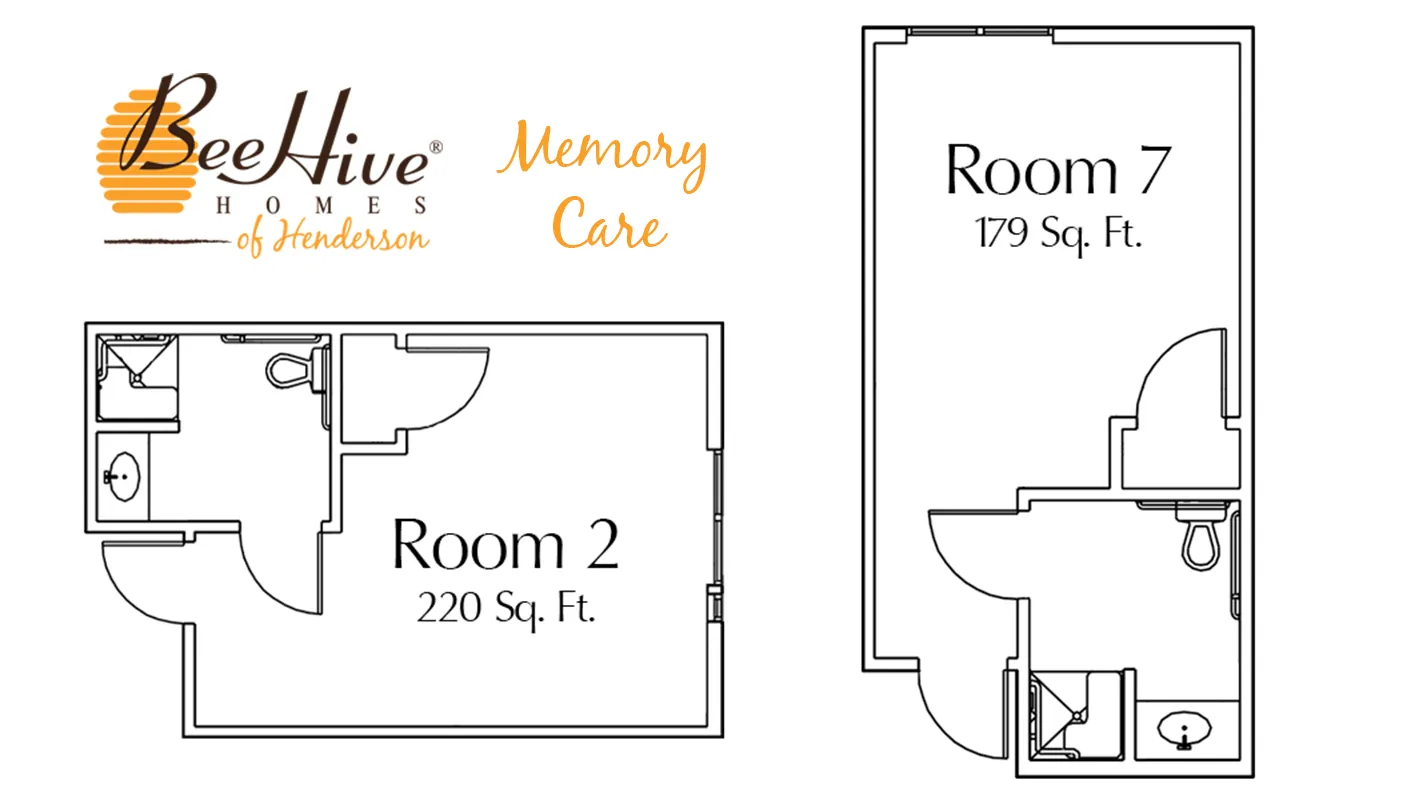
BeeHive Homes of Henderson offers private bedrooms with private bathrooms
BeeHive Homes of Henderson provides medication monitoring and documentation
BeeHive Homes of Henderson serves dietitian-approved meals
BeeHive Homes of Henderson provides housekeeping services
BeeHive Homes of Henderson provides laundry services
BeeHive Homes of Henderson offers community dining and social engagement activities
BeeHive Homes of Henderson features life enrichment activities
BeeHive Homes of Henderson supports personal care assistance during meals and daily routines
BeeHive Homes of Henderson promotes frequent physical and mental exercise opportunities
BeeHive Homes of Henderson provides a home-like residential environment
BeeHive Homes of Henderson creates customized care plans as residents’ needs change
BeeHive Homes of Henderson assesses individual resident care needs
BeeHive Homes of Henderson accepts private pay and long-term care insurance
BeeHive Homes of Henderson assists qualified veterans with Aid and Attendance benefits
BeeHive Homes of Henderson encourages meaningful resident-to-staff relationships
BeeHive Homes of Henderson delivers compassionate, attentive senior care focused on dignity and comfort
BeeHive Homes of Henderson has a phone number of (702) 551-0265
BeeHive Homes of Henderson has an address of 1000 Greenway Rd, Henderson, NV 89002
BeeHive Homes of Henderson has a website https://beehivehomes.com/locations/henderson/
BeeHive Homes of Henderson has Google Maps listing https://maps.app.goo.gl/qpZ3TKgbxCu1MVSh8
BeeHive Homes of Henderson has Instagram page https://www.instagram.com/beehivehomeshenderson/
BeeHive Homes of Henderson has an YouTube page https://www.youtube.com/@hamiltonshives4468
BeeHive Homes of Henderson won Top Assisted Living Homes 2025
BeeHive Homes of Henderson earned Best Customer Service Award 2024
BeeHive Homes of Henderson placed 1st for Senior Living Communities 2025
People Also Ask about BeeHive Homes of Henderson
What is BeeHive Homes of Henderson Living monthly room rate?
Our base rate is $4,700 per month for assisted living and $5,700 per month for memory care plus a one-time community fee of $2,500. We do an assessment of each resident's needs prior to move-in, so each resident's rate may be higher. These prices fall into three tiers based on resident needs and range from $4,700/month to $7,300/month. However, after we do the assessment and quote a price, there are no add-ons or hidden fees
Does Medicare and Medicaid pay for a stay at Bee Hive Homes?
Medicare pays for hospital and nursing home stays, but does not pay for assisted living. Some assisted living facilities are Medicaid providers but we are not. We do accept private pay, long-term care insurance, and we can assist qualified Veterans with approval for the Aid and Attendance program
Do we have a nurse on staff?
We do have a nurse on contract who is available as a resource to our staff but our residents' needs do not require a nurse on-site. We always have trained caregivers in the home and awake around the clock
What can you tell me about the food at Bee Hive?
You have to smell it and taste it to believe it! We use dietitian-approved meals with alternates available for flexibility, and we can accommodate needs for different textures and therapeutic diets. We have found that most physicians are happy to relax diet restrictions without any negative effect on our residents
Do we allow pets?
We do allow small pets as long as the resident is able to care for them. State regulations also require that we have evidence of current immunizations for any required shots
Where is BeeHive Homes of Henderson located?
BeeHive Homes of Henderson is conveniently located at 1000 Greenway Rd, Henderson, NV 89002. You can easily find directions on Google Maps or call at (702) 551-0265 Monday through Sunday 9:00am to 5:00pm
How can I contact BeeHive Homes of Henderson?
You can contact BeeHive Homes of Henderson by phone at: (702) 551-0265, visit their website at https://beehivehomes.com/locations/henderson/ or connect on social media via Instagram or Facebook
Take a drive to Yoshiya Japanese Kitchen. Yoshiya Japanese Kitchen offers a nearby dining destination where families supporting loved ones through Assisted living memory care senior care elderly care and respite care can gather for quality time together.